
Timeless craftsmanship in cedar and redwood, built to age beautifully
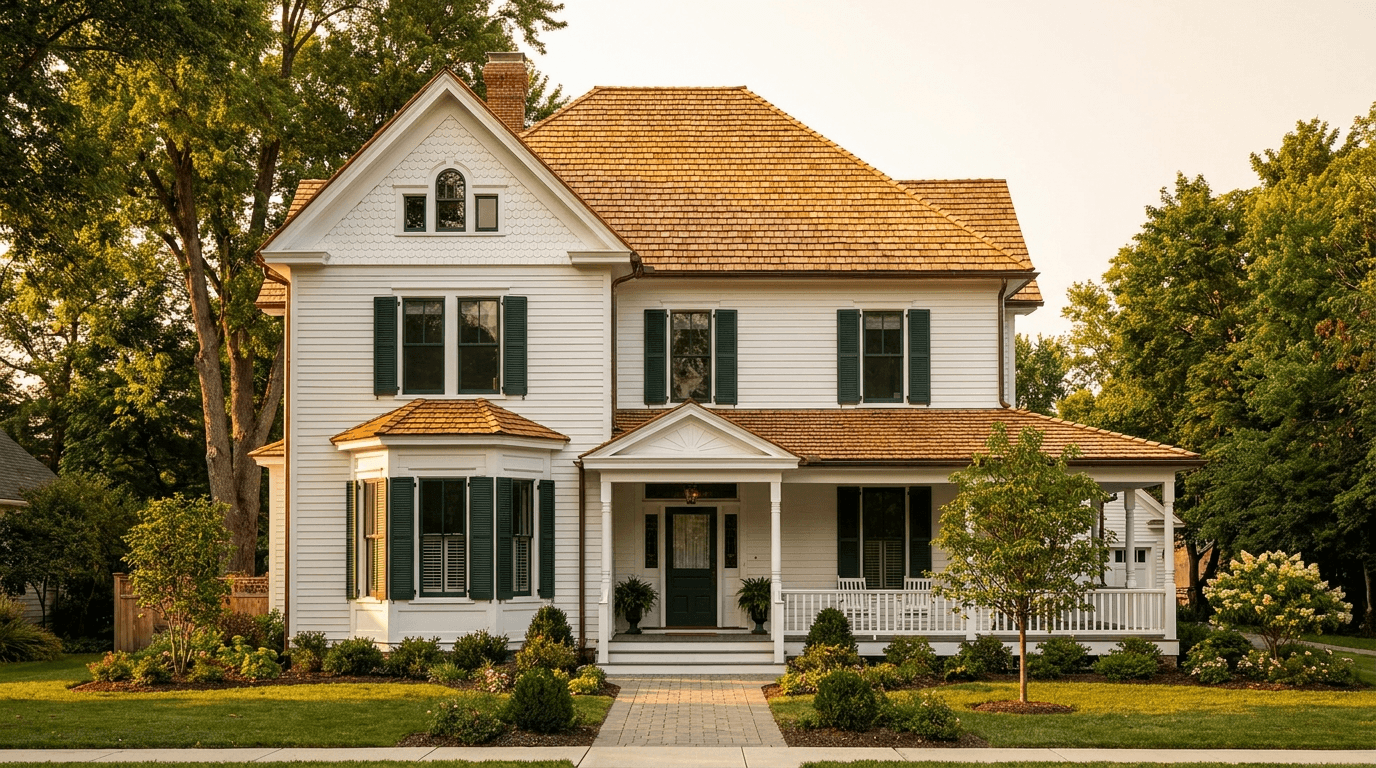
Few roofing materials rival the warmth and character of natural wood shake. Hand-split from old-growth cedar or redwood, each shake is unique — giving your home a texture and depth that manufactured alternatives simply cannot match. National Restoration installs premium wood shake systems for homeowners who want the authentic look of a craftsman, colonial, historic, or high-end custom home.
When properly installed with modern underlayments and fire-retardant treatments, a cedar shake roof delivers decades of proven service life and gracefully weathers to a silver-gray patina. It's a true heirloom roof, and a meaningful investment in your home's curb appeal and resale value.
Wood shake delivers a combination of natural beauty, insulating performance, and timeless character that sets it apart from every other roofing material.
No two shakes are alike. The hand-split texture, depth of shadow, and natural color variation create a roof that looks custom-made for your home — because it is.
With proper installation, ventilation, and periodic maintenance, cedar shake roofs routinely deliver a long and proven service life. Premium WSCSB CertiGrade-certified shakes and favorable climates extend durability even further.
Wood is a natural insulator — cedar shake provides roughly twice the R-value of asphalt shingles, helping keep attics cooler in summer and warmer in winter.
Cedar shake is widely recognized as a premium roofing material and is particularly valued in historic districts, craftsman neighborhoods, and high-end custom home markets.
Modern pressure-impregnated fire-retardant shakes carry a Class A or Class B fire rating, meeting stringent building codes in wildfire-prone regions and most HOAs.
Cedar and redwood are renewable resources harvested from responsibly managed forests. At end of life, wood shakes biodegrade — unlike asphalt shingles, which often end up in landfills.
Not all shakes are the same. We work exclusively with reputable mills and premium grades so you get the lifespan and appearance you're paying for.
Split from the log along the natural grain, hand-split shakes have a rough, textured face and a sawn back. The deep shadows and organic lines are the classic look most homeowners picture when they think of a shake roof.
Sawn on both sides with a consistent taper, tapersawn shakes sit between the rustic look of hand-split and the refined appearance of shingles. They offer a cleaner line while retaining real wood texture.
Thinner and fully sawn, cedar shingles are the refined cousin of shakes. They produce a smoother, tighter roofline that's popular on Cape Cod, cottage, and coastal architecture.
Species choice affects both longevity and appearance. We help you select the right material for your climate, HOA requirements, and aesthetic goals.
Wood shake is a system, not just a material. A shake roof lives or dies on the details beneath it — ventilation, spacing, and underlayment matter as much as the shakes themselves.
We strip the old roof to the deck, replace any damaged sheathing, and verify that attic ventilation is sized correctly for wood. Shakes need airflow both above and below to last — skipping this step is the single biggest cause of premature shake failure.
We install 30-lb felt or a high-temperature synthetic underlayment, followed by interlayment felts woven between each course of shakes. This layered system creates multiple barriers against wind-driven rain.
For maximum lifespan, we can install shakes over a batten system that creates an air channel between the underlayment and the shakes. This "cold roof" approach dramatically reduces moisture retention and extends roof life.
Each shake is hand-nailed with hot-dipped galvanized or stainless steel nails — never staples. Nail placement and driving depth are critical: too deep splits the shake, too shallow leaves it to telegraph through. Our crews are trained to get both right.
Shakes are installed with a keyway gap (typically 3/8 to 5/8 inch) between adjacent shakes in the same course to allow for natural expansion. Joints are offset course-to-course to prevent leak paths.
Ridge and hip caps are built from matching shakes in a Boston-weave pattern. Custom-bent copper or painted-steel flashings are fitted at every wall, chimney, and valley — these are almost always where shake roofs eventually fail, so we detail them meticulously.
Unlike asphalt, a wood roof is alive — it responds to weather, sun, and moisture. A small amount of routine care rewards you with decades of service.
Natural Weathering
Fresh cedar starts warm honey-brown and weathers to silver-gray over the first few years. This is cosmetic, not damage — many homeowners prefer the weathered look.
Keep It Clear
Keep the roof free of leaves, pine needles, and overhanging branches. Debris holds moisture and shortens the life of the shakes beneath it.
Periodic Treatment
Every 5–7 years we can apply a penetrating cedar preservative and fungicide to resist moss, mildew, and UV damage — typically adding 10+ years to the roof's life.
Whether you're restoring a historic property or designing a one-of-a-kind custom home, a properly built shake roof is a lifetime statement. Schedule your free consultation today.